Japanese Whisky Guide — Brands, Reviews & Distillery Visits

Updated: Sep 17

I discovered Japanese whisky the way most whisky lovers do: I picked up a bottle of Toki from a local supermarket and, after trying it, wondered why it tasted so similar but somehow so different from anything Scottish I'd had before.
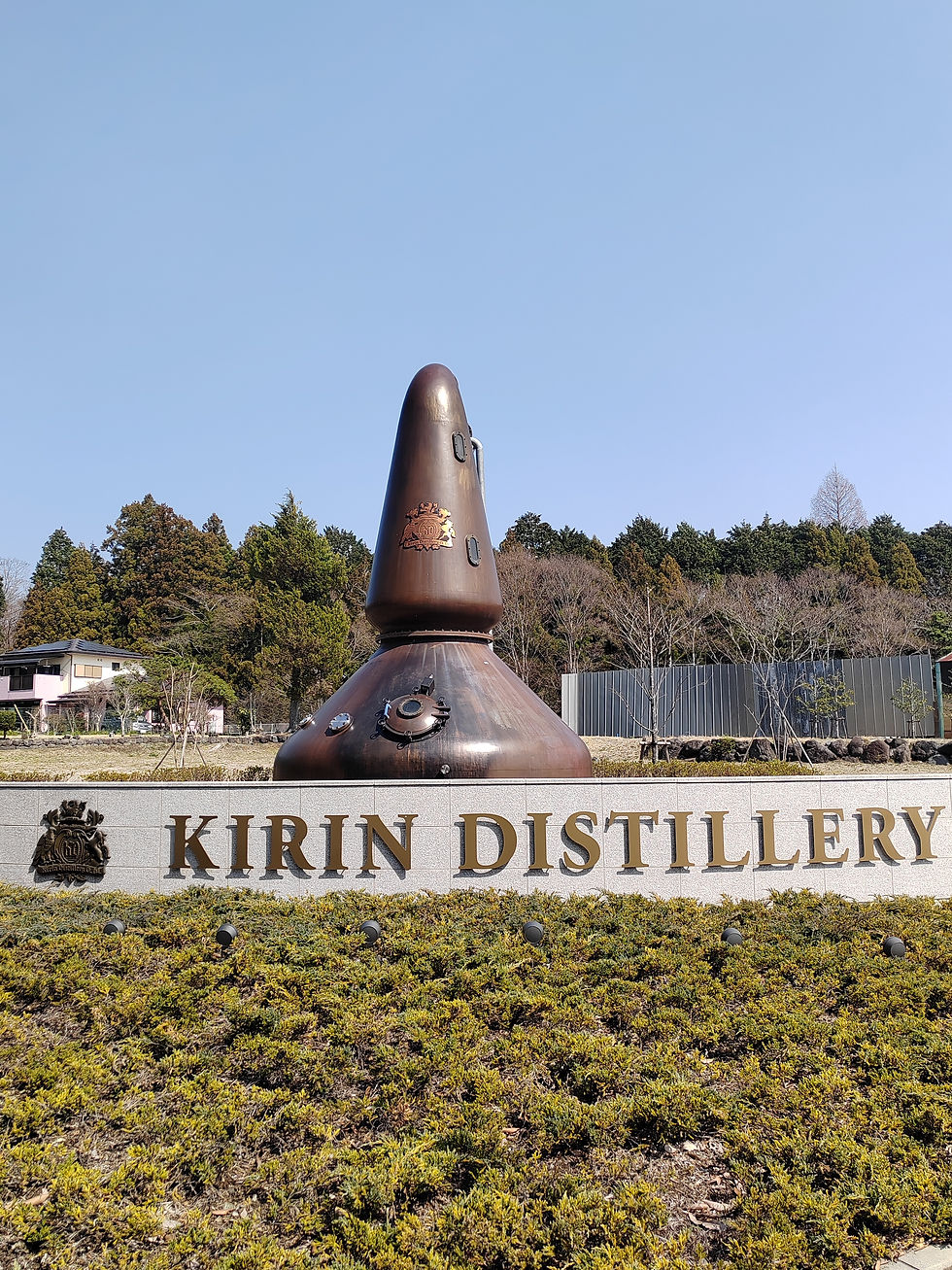
A few years and several bottles later, I visited Fuji Gotemba Distillery on a trip to Japan — and that pretty much sealed it.
This is my guide to Japanese whisky: the brands I've tried, my honest tasting notes, and what I think is actually worth your money. I hold a WSET Level 2 in Spirits, and I'm a certified Whisky Ambassador, but more importantly, I've drunk a lot of it.
Below you'll find reviews, distillery visits, sake recommendations, and my Japan travel posts — everything in one place.

What Makes Japanese Whisky Different
If you've ever picked up a bottle of Japanese whisky expecting something like Scotch, you'll know the moment it hits your palate that something is different. The influence is there — Japan learned from Scotland — but what came out of it is its own thing entirely.
Japanese whisky tends to be lighter, more delicate, and more precise than Scotch. Where a Highland malt might hit you with dried fruit and oak, a Japanese whisky is more likely to offer something subtle: floral, honeyed, sometimes a gentle smoke. It's whisky that rewards slowing down.
One thing worth knowing if you're shopping right now: Japan introduced new labelling regulations in 2024 requiring whiskies labelled "Japanese whisky" to actually be made in Japan. Before that, some bottles contained imported Scotch or Canadian whisky blended and bottled in Japan. The regulations have cleaned that up, but you'll still find older stock on shelves — so it's worth checking the label.
Is it worth the price premium? Honestly, it depends on the bottle. Some expressions — particularly from Suntory and Fuji Gotemba — are worth every penny. Others ride the hype. That's exactly why I started reviewing them.

Japanese Whisky Brands Worth Knowing
Suntory
Suntory is where most people start, and for good reason. The house style leans floral and approachable — Toki and Tenjaku are widely available in the UK at a sensible price, and both are genuinely good introductions to what Japanese whisky is about. I've reviewed both, and if you're buying your first bottle, either will do the job.
At the premium end, the Yamazaki expressions are exceptional — but the prices have climbed steeply in recent years and availability is patchy. Worth trying at a whisky bar before committing to a bottle.

Fuji Gotemba (Kirin)
Fuji Gotemba is the one I'd tell you to pay attention to. The distillery sits at the foot of Mount Fuji — I visited on my Japan trip, and it's one of the best distillery experiences I've had anywhere. Small entry fee, beautiful setting, and a tasting room that lets you try expressions you won't easily find outside Japan.
Their single grain whisky is light, clean and genuinely interesting — not a category many people explore but worth your time. The distillery also produces grain whisky at altitude, which affects the maturation in ways you can taste.

Matsui Shuzo
The Tottori is a blended whisky, a product of Japan, from Matsui Shuzo, a sake producer that moved into whisky. It's on the lighter, more delicate end — easy drinking, not complex, but honest about what it is and priced accordingly. A solid everyday option if you want something Japanese without spending Yamazaki money.
Some of their blends will contain Scottish whiskies, hence why it's a product of Japan instead of Japanese whisky.

Other Japanese Whiskies Worth Exploring
Hibiki (Suntory's blended expression) and Nikka's range — particularly Nikka From The Barrel — come up constantly in conversations about Japanese whisky for good reason.
Ichiro's Malt
Ichiro's Malt is a well-known brand in the whisky world. Founded by Ichiro Akuto, the first distillery began operations in 2008, with the second one starting production in 2019.
Located in Saitama Prefecture, it is the first new distillery opened in Japan since the 70's.
Same as Bimber Distilery, they use direct-fired pot stills and wooden washbacks.
They have some phenomenal whiskies, but they are small batch release and in high demand so you have to keep an eye out for them.
Hatozaki Finest Blended Whisky
From Kakyo Distillery in Akashi City, the Hatozaki Finest Blended is matured across three cask types — ex-bourbon, ex-sherry and Mizunara — and it shows. The nose is light: citrus, banana and cereal with a hint of olive oil. On the palate, it's sweet, slightly oily, with lime zest and almonds, and a warm, medium finish. It's not a complex dram, but it's genuinely enjoyable, especially in a highball. At around £35–40, it's a solid entry point into Japanese blended whisky.
Sakhrani Mizunara Japanese Cask Finish
An unusual one: Scotch-base whisky aged three years in ex-bourbon casks, then finished for nearly two years in Mizunara casks in Okinawa, married with water from a World Heritage Site. Sandalwood, spice and caramel on the nose, then coconut, dried tropical fruit and a pleasantly oily mouthfeel on the palate. The finish is long and fruity, with real Mizunara character coming through. It drinks a little young, but it's a lovely, approachable dram — particularly on a warm day.

What Japanese Whisky Actually Tastes Like — Tasting Notes in Brief
Every bottle is different, but here's a rough map by style:
Blended (Toki, Tenjaku, Tottori): Light, floral, gentle. A hint of honey, sometimes citrus. Easy to drink neat or in a highball. Good entry point.
Single Grain (Fuji): Lighter still — almost delicate. Vanilla, a little oak, clean finish. Often underestimated because "grain whisky" sounds less exciting than "single malt." Don't sleep on it.
Premium Single Malt (Yamazaki): More complexity, more fruit, more oak. The 12-year is the benchmark; older expressions get into dried fruit and spice territory. Worth every penny if you can find it at retail price — avoid the heavily marked-up secondary market bottles.

Suntory Yamazaki: Japan's Oldest Distillery
Japan's oldest whisky distillery has been running since 1923, tucked at the foot of Mt. Tennozan just outside Kyoto. I first visited in April 2023, which also happened to be Yamazaki's centenary year, and the weight of that wasn't lost on me walking through those doors.
Fair warning: getting in is half the battle. I was number 2,000-something in the online queue when tickets dropped. After half an hour of waiting, I got a spot on the free museum tour. The paid distillery tour? Gone in minutes.
The Whisky Library and Pot Still
The ground floor is where I lost track of time. The Whisky Library holds thousands of component and finished whiskies, floor to ceiling, and it's as spectacular as it sounds. Next to it sits a full Pot Still, surrounded by international bottles. I was there to take it all in as much as to photograph it.
The Story Behind the Bottle
Upstairs, the museum walks you through every stage of production, plus the history of Hibiki and Yamazaki Single Malt, including label design and awards. It's genuinely interesting, not just a marketing exercise.
Tasting at the Counter
On my first visit, I tried three whiskies: the Yamazaki Limited Edition, Hibiki Blossom Harmony, and Yamazaki 18-Year-Old Single Malt. That's the real reason to be there. Don't rush it.

Visiting Fuji Gotemba Distillery — What to Expect
If you're planning a trip to Japan, Fuji Gotemba is worth the detour. The distillery is about two hours from Tokyo by bus, sits right at the base of Mount Fuji, and charges around 500 yen to enter — one of the best value distillery experiences I've had anywhere in the world.
Inside, there's a guided tour of the production facility and a tasting room where you can try expressions not widely exported. I spent a couple of hours there and left with a bottle I haven't been able to find since.

Japan Travel — Whisky and Beyond
Japan is one of those places where every day feels like too much to take in. I spent time in Kyoto visiting Kodai-ji, Toji Temple and Shimogamo Shrine, and managed a stop at the Great Wall on a Beijing layover on the way home. If you're planning a trip and want to combine whisky with travel, the Fuji Gotemba visit fits neatly into a Tokyo base.

Japanese Drinks Beyond Whisky — Sake and More
While I was in Japan, I got properly into sake, and it's been a rabbit hole I haven't climbed out of. If you're curious, I'd start with something approachable like the Hakutsuru Daiginjo before working through the Sawanotsuru range — they make styles from light and fresh through to rich and complex. The Kenbishi Kuromatsu is worth a try if you want something more traditional and structured.

Japanese whisky is a category I keep coming back to — partly because the best bottles genuinely reward attention, and partly because there's still so much of it I haven't tried. If you've had something I should know about, drop it in the comments. I'm always looking for the next one.
Cheers everyone!