


Château Royal d'Amboise Review: Day Trip from Tours Guide


Château Royal d'Amboise Review: Royal History, River Views & Leonardo da Vinci's Tomb
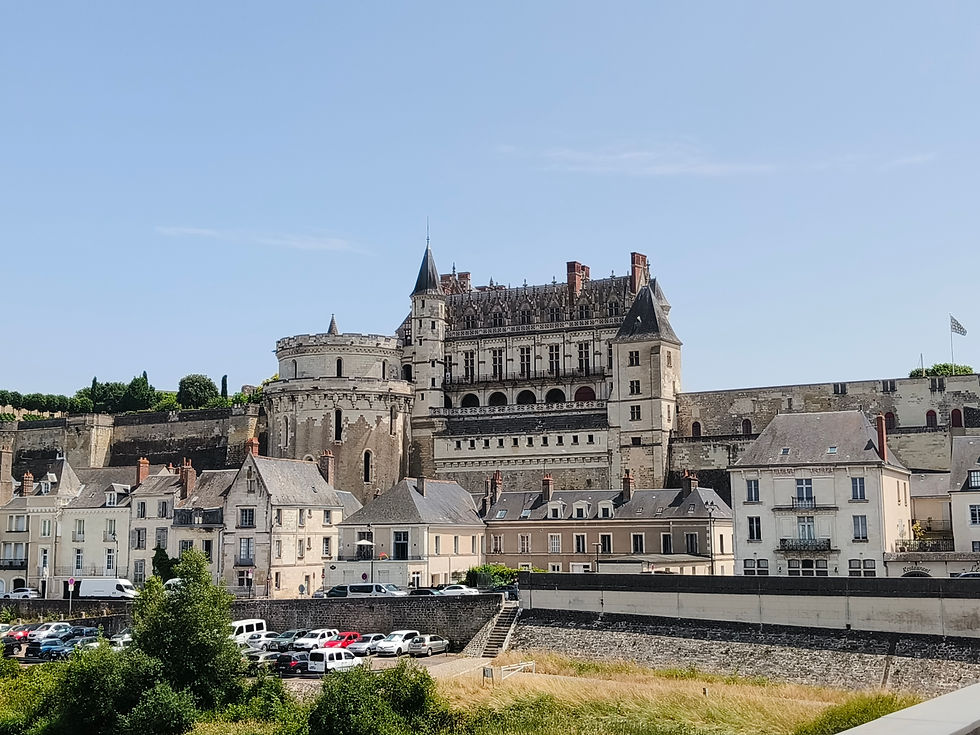
When planning a trip through France's Loire Valley, the sheer number of châteaux can feel a bit overwhelming. But if there is one fortress that effortlessly bridges medieval defensive architecture with the artistic dawn of the French Renaissance, it is the Château Royal d’Amboise.
Perched high on a rocky promontory overlooking the Loire River, this grand castle was the favoured residence of French kings like Charles VIII and François I. It is also world-famous for being the final resting place of history's ultimate polymath: Leonardo da Vinci.
I visited on a gloriously sunny day in mid-June on an easy day trip based out of Tours. It turned out to be a brilliant visit—full of fascinating military and royal exhibits, gorgeous panoramic viewpoints, and plenty of room to wander at your own pace.
Here is my honest review of visiting Château Royal d'Amboise, what to look for inside, and practical tips for making the most of your time.
This site contains affiliate links to products. I may receive a small commission for purchases made through these links, at no extra cost to you.
The Big Highlight: Leonardo da Vinci’s Tomb & Saint-Hubert Chapel
One of the main reasons most people travel to Amboise—and a massive personal point of interest for me—is Leonardo da Vinci.
In 1516, King François I invited the ageing Italian genius to France, granting him the title of "Premier Painter and Engineer and Architect to the King" and placing the nearby manor of Clos Lucé at his disposal. Leonardo lived out the final three years of his life here in Amboise before passing away in May 1519.

The Story of the Tomb
As soon as you walk past the main castle entrance gates, you’ll find the Saint-Hubert Chapel sitting immediately to your left, perched right on the edge of the fortress wall:
The Original Burial: Leonardo was originally buried within the castle grounds in the collegiate church of Saint-Florentin.
The Demolition & Relocation: During the French Revolution and the Napoleonic era, the church fell into severe disrepair and was demolished in the early 1800s, leaving the exact location of his remains uncertain for decades.
The 19th-Century Discovery: In 1863, excavations uncovered a skeleton bearing an inscription plaque alongside coins from the reign of François I. Those remains were officially transferred and re-interred here inside the Saint-Hubert Chapel.
The Chapel Interior: Stepping inside, the Gothic stonework is breathtaking. The simple marble floor slab marked "LEONARDO DA VINCI" sits surrounded by historic fleur-de-lis tiles, often bathed in vibrant rainbow light cast through the stained-glass windows above. It is a quiet, contemplative space that feels fittingly dignified for such an iconic figure.
Walking the Castle: The Riverboat, Armour & Royal Salons
After visiting the chapel, you step out onto the upper terrace before heading into the main royal lodge (Logis Royal).
Right outside in the courtyard, you are greeted by an authentic, full-scale wooden riverboat (Toue) of the historic Loire River fleet. These sturdy, flat-bottomed boats were essential during the Renaissance for hauling stone, wine, and goods up and down the Loire when waterways were far safer and faster than overland roads.

Heading inside the royal apartments, you follow an unhurried, self-guided route through centuries of French history:
Renaissance Military Exhibits: Glass display cases house ornate 16th-century ceremonial helmets (cabassets) and weaponry, set against the castle's original brick and limestone masonry walls.
Naval History & Ship Models: You’ll encounter detailed timber ship models, like La Dauphine—the three-masted royal sailing ship commissioned by François I in 1523 to explore the eastern coast of North America.
The 19th-Century Royal Rooms: Moving through the later eras, the decor shifts into opulent 19th-century luxury under King Louis-Philippe. Standout chambers include rooms lined with bold crimson silk damask wall coverings, gilded mirrors, and marble fireplaces, as well as the Music Salon featuring an antique golden pedal harp, period pianoforte, and grand royal family portraits.
One great detail for international sightseers: almost every room features clear informational panels in English alongside French, meaning you never feel lost and can absorb the history at your own relaxed pace.
Rampart Panoramas & Terraced Gardens
Once you wind your way through the indoor rooms, the tour route leads you back outside onto the high rampart walkways.
The views from up here are magnificent. Looking down from the stone parapets, you get sweeping panoramic sightlines over the slate roofs and timber-framed houses of Amboise below, the arches of the stone bridge, and the reflective expanse of the Loire River stretching out into the valley.
From the ramparts, you transition into the expansive hilltop gardens:
The Lavender Terraces: In mid-June, the geometric garden beds are in full bloom. If you enjoy photography, lower your camera down near the fragrant purple lavender rows to frame the blooming flowers in the foreground with the fairy-tale turrets of the château rising in the background.
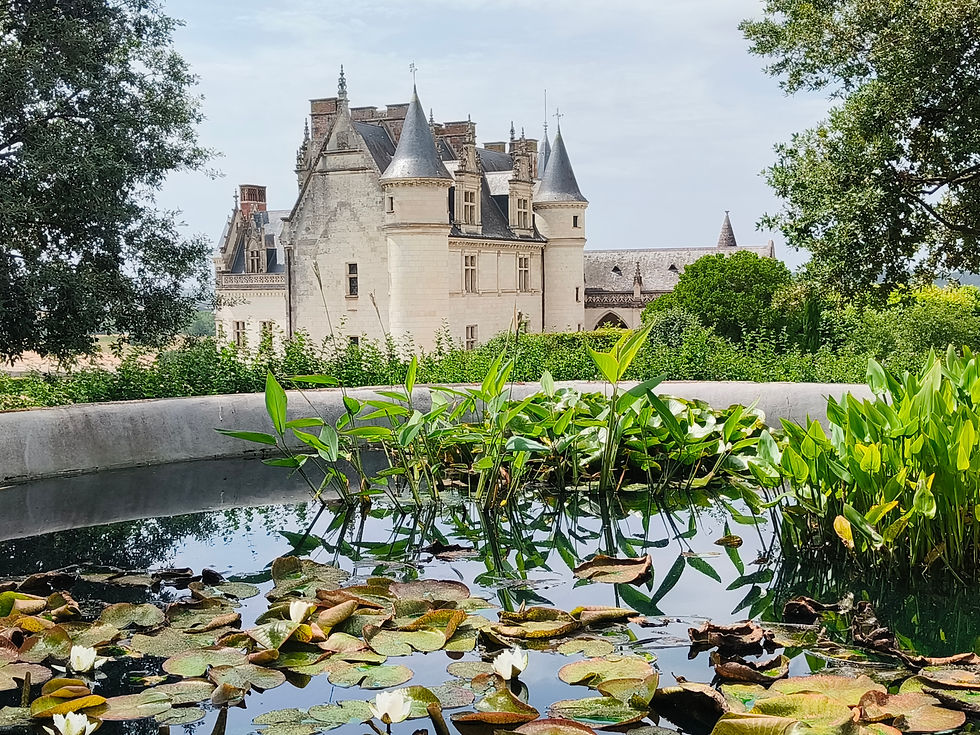
The Lily Pond: Right near the entrance to the garden terrace sits a tranquil stone pond filled with floating water lilies, offering another fantastic vantage point looking back at the conical towers.
The Da Vinci Bust & "Picture Frame": Tucked into the landscaped hedges, you’ll find a striking white marble bust of Leonardo da Vinci resting against a curved green topiary wall. There is even a life-sized empty picture frame installed along the path that lets you pose and literally frame the castle behind you.
Practical Info: Tickets, Timing & Getting There
Admission: Standard adult entry was €17.30 (which includes self-guided access to the chapel, royal apartments, ramparts, and gardens) at the time of my visit (June 2026).
Visit Timing: Give yourself a good few hours here—at least 2 to 3 hours total. If you breeze through, you could technically walk the rooms faster, but with so many artefacts, informational plaques, rampart views, and garden paths to take in, rushing through would be a real shame.
Crowds: I visited on a warm June summer day, and while there were plenty of visitors around, the vast outdoor grounds and wide halls never felt uncomfortably crowded.
How to Get There from Tours (Effortless)
You do not need a rental car to visit Amboise:
By Train (TER / Rémi): Regional trains depart frequently from the main Tours railway station directly to Gare d'Amboise. The train journey is a quick, direct 20-minute ride.
The Walk Up: From Amboise station, it is an easy, scenic 15-minute walk across the bridge over the Loire River and straight into the historic town centre, where the ramparts rise directly above Place Michel Debré.

Final Verdict: Is Château Royal d'Amboise Worth It?
Château Royal d’Amboise is 100% worth the trip. Between its commanding clifftop position over the Loire, the incredible privilege of visiting Leonardo da Vinci's final resting place, and the beautifully kept summer gardens, it delivers a rich, rewarding experience without feeling like a tourist trap.
After finishing my tour here, I walked just 10 minutes up the road to visit Leonardo's residence at Château du Clos Lucé—making for an unforgettable full day in Amboise.
If you found this helpful and would like to support the blog, you can buy me a coffee here. Every little bit helps keep my reviews, guides, and recipes completely independent!
Have you visited Château Royal d'Amboise or seen Leonardo da Vinci's tomb in person? Let me know your travel experiences in the comments below!
I hope life is treating you well.
Take care


