


Kyoto Railway Museum Review: A Fascinating Break from Shrines & Temples


This site contains affiliate links to products. I may receive a small commission for purchases made through these links, at no extra cost to you.
Kyoto Railway Museum Review: Shinkansen, Steam Stills & Tips
When planning an itinerary for Kyoto, your days naturally fill up with ancient wooden shrines, tranquil Zen rock gardens, and towering torii gates. Kyoto is also an incredible base for day trips across Kansai and beyond—from wandering deer parks in Nara and tasting sake in Kobe, to exploring castle keeps in Himeji and catching the Shinkansen into Nagoya.
As much as I love traditional temples, taking a detour into a completely different side of Japanese culture is refreshing. Kyoto isn't just about ancient history; it has brilliant modern spots like the Kyoto International Manga Museum, and one of the most impressive transport museums in the country: the Kyoto Railway Museum.
I spent around two and a half hours wandering through its vast exhibition halls in April. Whether you consider yourself a dedicated train enthusiast or just appreciate clever engineering and social history, the scale and curation make for an eye-opening visit.
Here is my honest review of what the museum is like inside, what to see, and practical tips for planning your visit.
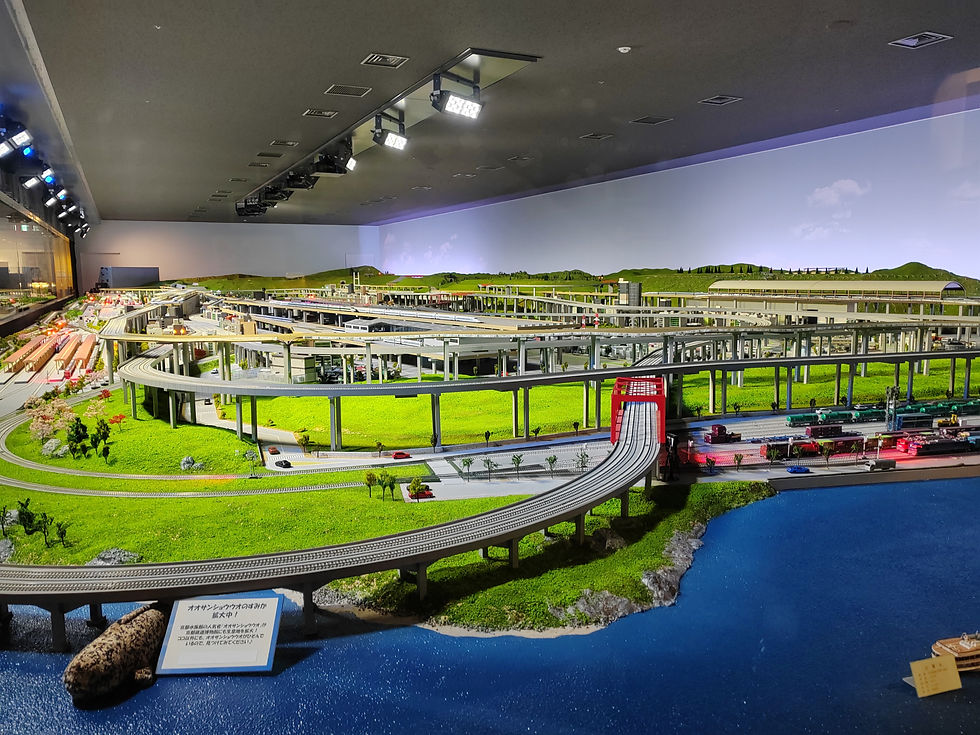
Inside the Museum: Shinkansen, Locomotives & Evolution
The museum covers a massive footprint in Umekoji Park. What immediately stands out is how open, modern, and spacious the layout feels compared to dense central attractions.
The Twilight Express & The 500 Series Bullet Train
The moment you walk into the main atrium, you are greeted by full-scale icons of Japanese rail engineering. You can stand inches from the sleek, aerodynamic nose of the legendary 500 Series Shinkansen (which once set world speed records on the Sanyo line) right alongside vintage limited-express sleeper trains and classic electric locomotives. Seeing the aerodynamic curves and scale of these trains in person puts Japan’s high-speed rail heritage into perspective.
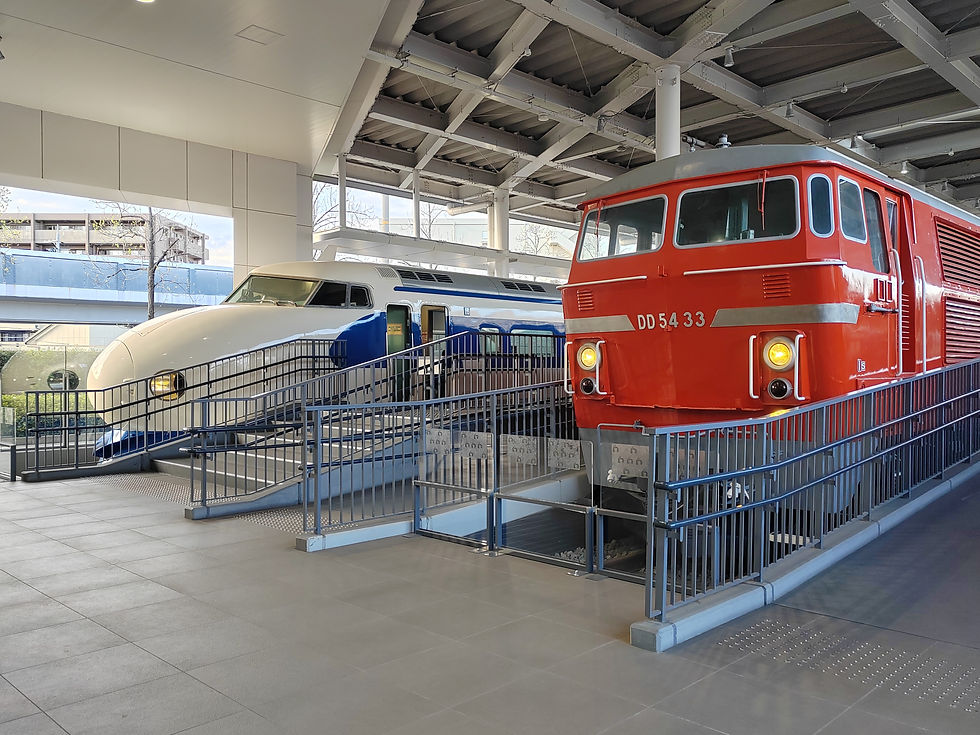
The Original 0 Series Shinkansen
Outside along the covered promenade platform sits the pioneer: the iconic 0 Series Shinkansen with its rounded, bullet-like nose and classic blue-and-white livery. Stepping up onto the platform brings back the romantic dawn of the bullet train era ahead of the 1964 Tokyo Olympics.

The Historic Steam Roundhouse
One of the most impressive preserved engineering sites is the massive fan-shaped Umekoji Roundhouse. The semi-circular depot houses more than 20 historic steam locomotives fanning out around an operable central mechanical turntable. Walking along the concrete bays surrounded by heavy iron boilers and vintage coal tenders feels like stepping straight back into the Industrial Revolution.

Interactive Exhibits, Evolution & Things for Kids
You do not need to be a hardcore train spotter to find this place engaging. The exhibits do a stellar job of telling the wider story of how railways modernised and connected Japan:
Miniature Dioramas & Models: Glass display cases trace the global evolution of locomotives—from early 19th-century British steam engines like George Stephenson's Rocket to early Japanese regional steam lines and modern high-speed networks.
Stepping Aboard Historic Carriages: Throughout the halls and platforms, you can physically step inside preserved vintage passenger cars, suburban commuter carriages, and postal vans to see how interior seating, timber panels, and retro adverts evolved across the Showa era.
Interactive Operations: There are hands-on signals, working pantograph switches, and full track-maintenance equipment displays that show the unseen infrastructure required to keep Japanese transit running with world-famous punctuality.
Family Friendly: The facility has numerous play areas, miniature train simulators, and interactive driving zones that keep young kids fully engaged.

Practical Info: Tickets, Opening Hours & Getting There
Admission: Standard adult tickets cost ¥1,500 (with discounts for students and children). You can purchase tickets at the entrance ticket machines or book in advance through platforms like Klook.
Opening Hours: 10:00 AM – 5:00 PM (last admission at 4:30 PM). Closed on Wednesdays (except national holidays and select school breaks) and over the New Year holiday period.
How to Get There:
By Train (Easiest): Take the JR San-in (Sagano) Line from Kyoto Station for just one stop (approx. 2 minutes) to Umekoji-Kyotonishi Station. The museum entrance is right outside the station exit.
On Foot: If you are staying around Kyoto Station, you can also walk through Umekoji Park in about 20 minutes.

Final Verdict: Is It Worth It?
If you are spending several days based in Kyoto and want a change of pace from incense, stone paths, and wooden shrines, the Kyoto Railway Museum is well worth the 2 to 2.5-hour visit. It is spacious, clean, deeply informative, and offers an authentic appreciation of the transport network that makes travelling across Japan so effortless.

Have you visited the Kyoto Railway Museum, or taken a ride on the Shinkansen between Tokyo and Kyoto? Let me know your favorite train experiences in the comments below!
I hope life is treating you well.
Take care


